

The beauty and salon industry is not limited to just what we think of as haircuts and grooming. It has always lived alongside humankind, reflecting how societies evolve, aspire, and redefine self-care.
What began as simple grooming has grown into a USD 1.07 trillion global powerhouse. It is already bigger than fast food and is inching closer to pharmaceuticals. While the global economy grows at roughly 3%, the beauty industry moves faster at nearly 8% CAGR.
This story is not only about numbers. It is also about a cultural and technological shift, where consumer expectations, digital adoption, and lifestyle changes are reshaping how beauty is discovered, delivered, and experienced.
Meet today’s beauty consumer
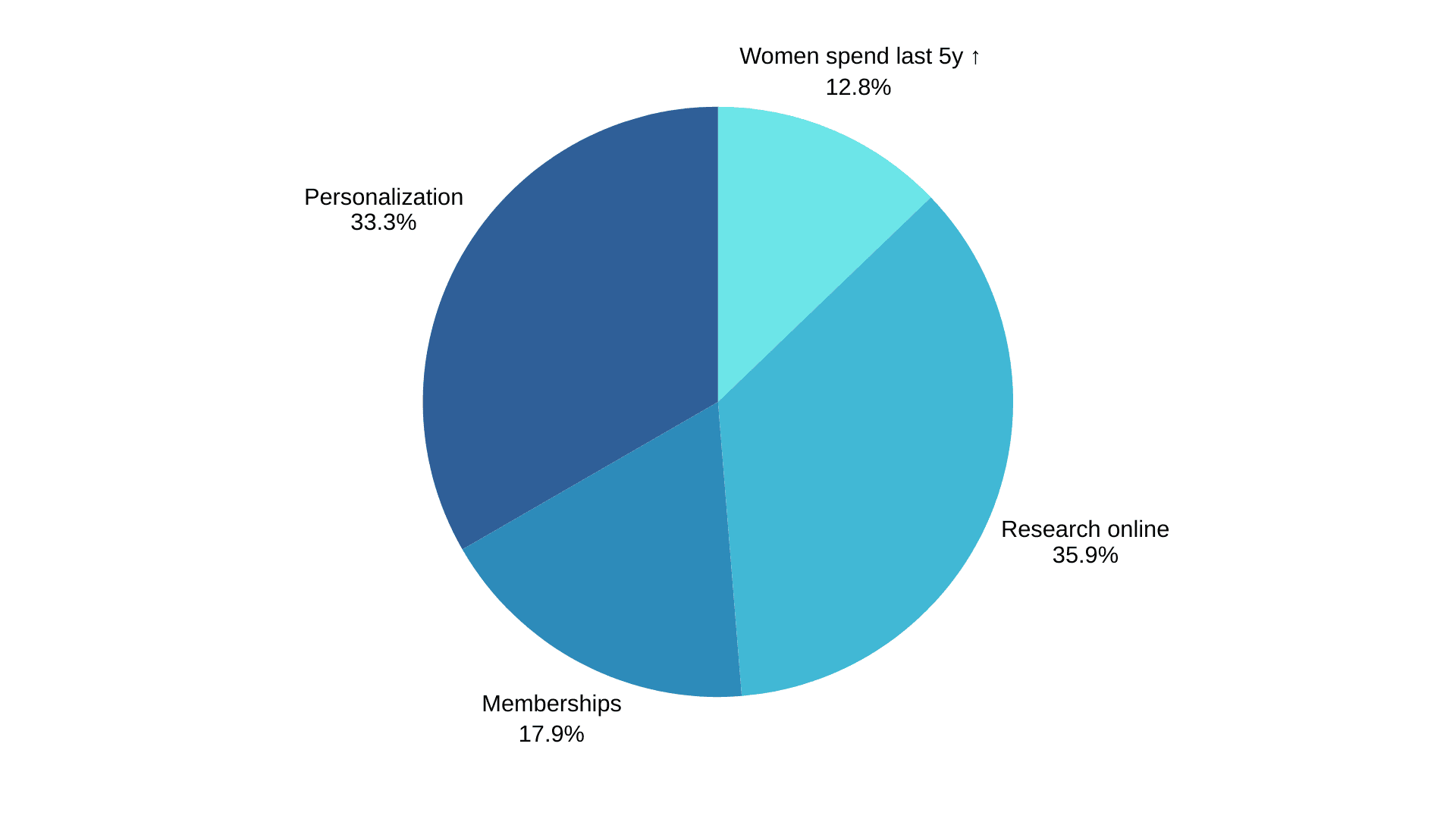
Look closely at who is driving this growth. Over the last five years, women’s salon spending has risen by 25%, a clear sign that self-care is no longer a luxury but a routine. Discovery has moved online. Seven out of ten clients research on the internet before booking, so visibility on search, maps, and social is now essential.
Buying behavior is evolving too. About 35% of clients are willing to pay for memberships or subscriptions, and 65% actively seek personalized services. Think curated treatment plans, custom product recommendations, and flexible packages. The modern client is informed, demanding, and comfortable with digital experiences from the very first search to the final payment.
The readiness gap inside salons
Here is the tension. Clients expect digital convenience, yet many businesses are still running on paper. Around 70% of salons operate manually, from appointment books to inventory notes. Another 30% use digital tools, but often as isolated parts rather than one connected system.
At the same time, 80% of younger clients prefer online booking. Every missed click is a missed appointment. The gap is most visible in fast-growing regions. Tier II and Tier III cities are seeing incomes rise by about 15% a year, but digital infrastructure and operational systems have not caught up. This is not just a problem to solve. It is the industry’s biggest opportunity.
What is fueling the growth
Several forces are pulling in the same direction and accelerating the market.
- Urbanization is pushing salons into new neighborhoods and cities, driving 35% of expansion.
- Rising disposable incomes account for 25% of growth as more people invest in grooming.
- Premium services are climbing by 30%, showing a shift from basic care to indulgent, experience-led treatments.
- Technology-led personalization contributes 20%, through AI suggestions, digital loyalty, and smarter client insights.
Put together, lifestyle aspirations and digital tools are not just increasing volume. They are raising the quality and sophistication of services.
A spending snapshot across markets
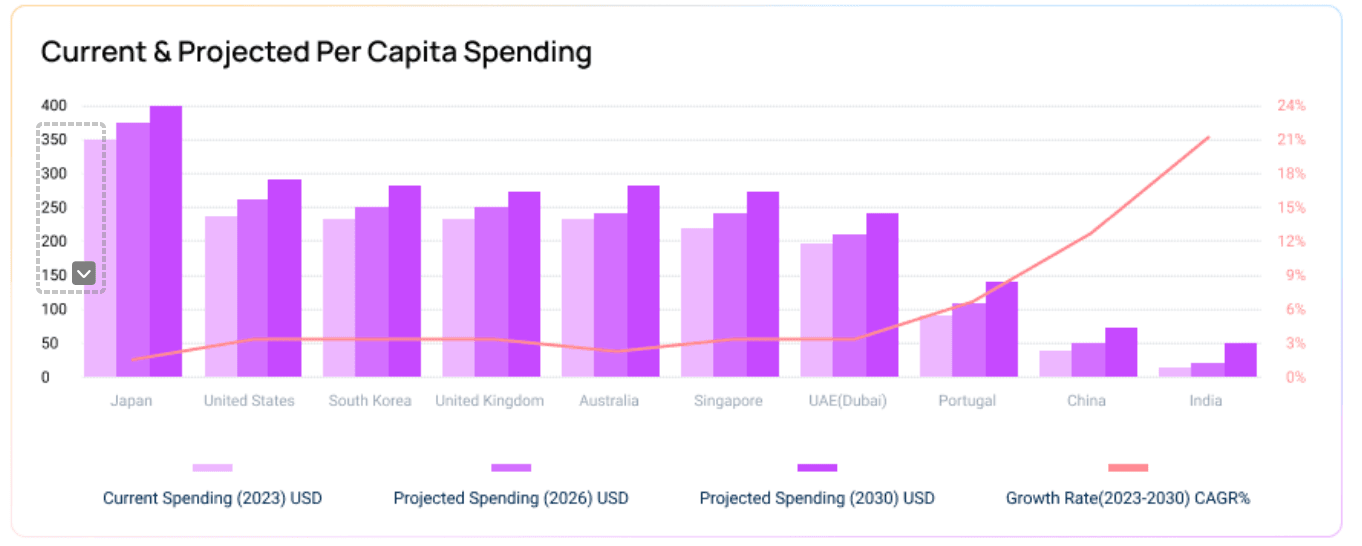
Two pictures emerge when you look at per-capita spending. In mature markets, beauty is embedded in everyday life. Annual spending is about $300 in Japan, $240 in the United States, and around $230 in the United Kingdom and Australia.
In emerging markets the base is smaller but rising quickly. India spends about $15 per capita and China about $38. The catch is the growth rate. India’s beauty market is expanding at 18.6% CAGR, nearly three times its GDP growth. The next big wave will be shaped by these fast-growing markets, where millions of new clients are entering the salon economy.
Technology’s moment at a USD 430 billion scale
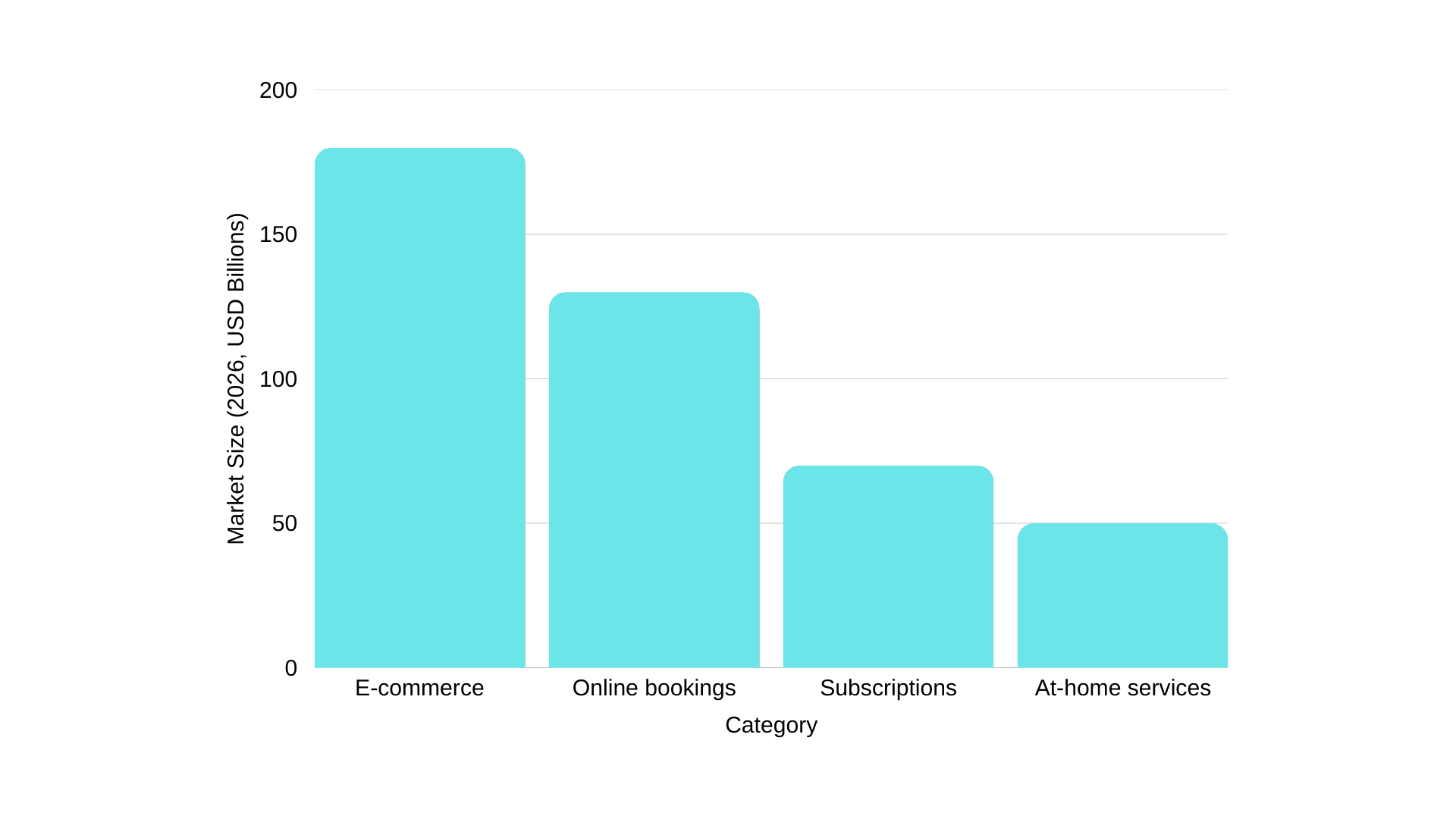
Technology is shifting from a support role to the center stage. By 2026, about 40% of the global beauty market worth USD 430 billion will be tech-driven.
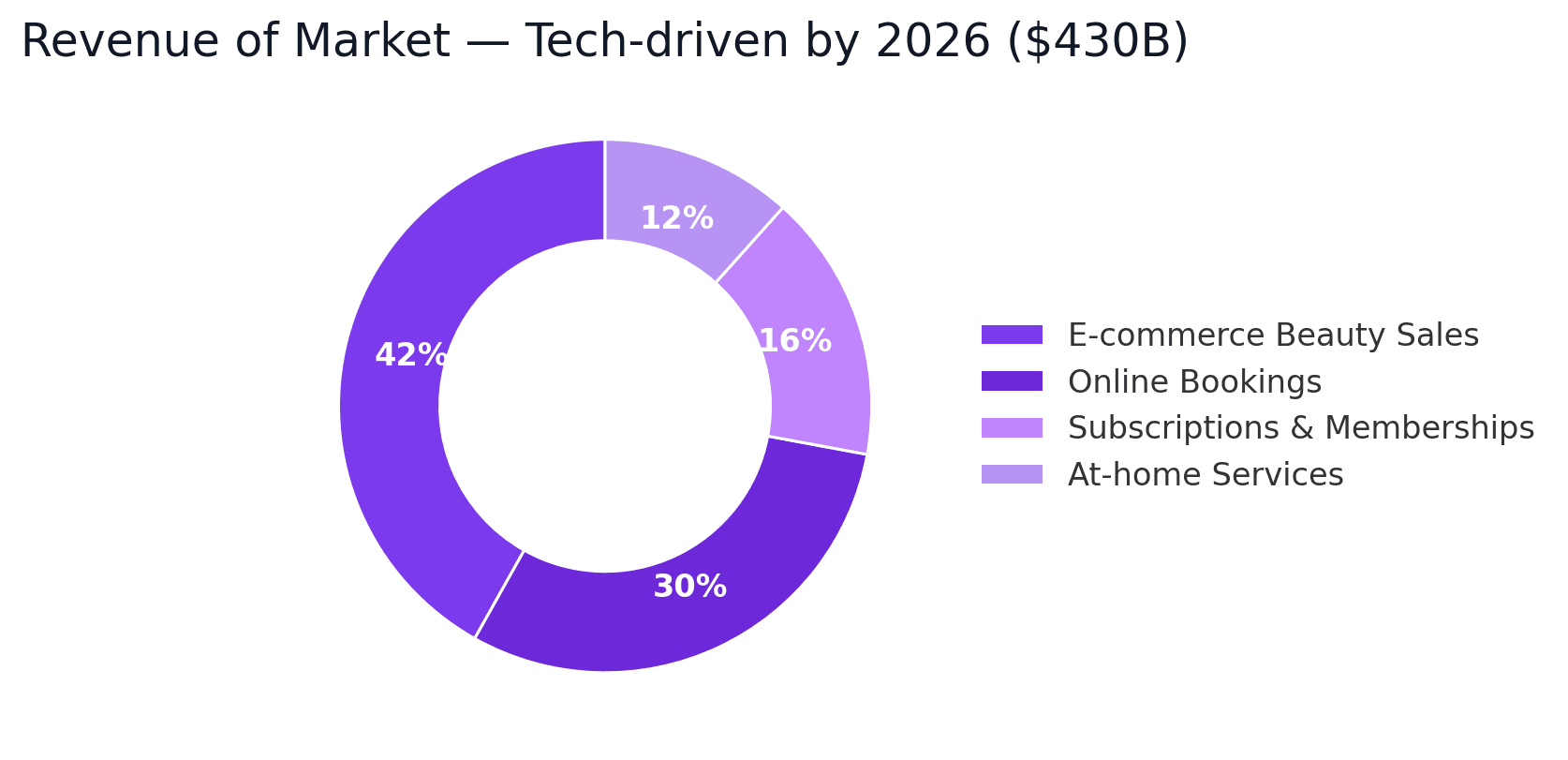
- E-commerce beauty sales are projected at USD 180 billion.
- Online bookings at USD 130 billion.
- Subscriptions and memberships at USD 70 billion.
- At-home beauty services at USD 50 billion.
Early adopters are already seeing the payoff. Salons that use integrated digital tools report 30% higher revenues and 40% better client retention. The path forward is clear. Integration and automation turn busy days into repeatable, trackable systems.
Where the opportunity sits
There is room for solutions that connect the full journey.
- Digital-first salon platforms that unify bookings, payments, client profiles, staff scheduling, and promotions.
- Membership-driven loyalty programs that convert occasional visitors into regulars.
- Sustainable practices that meet rising expectations, with six in ten clients preferring eco-friendly options.
- Talent pipelines and training, since the sector needs over 150,000 new beauty professionals each year.
Daily hurdles are real. Cancellations, no-shows, staff availability, stock-outs, and cash-flow tracking can slow growth. Many businesses also underuse reviews, local SEO, and targeted digital campaigns. This is exactly where connected platforms such as da Salon help owners manage smarter, digitize the client experience, and unlock new revenue.
The bottom line
Beauty is entering a new era. It is already large and growing faster than the broader economy. It is increasingly personal, premium, and digital. Yet much of the industry remains manual and fragmented. The salons that win by 2030 will not necessarily be the biggest. They will be the ones that adopt digital-first operations, personalize every step of the journey, and build lasting client relationships.
At da Salon, the vision is straightforward. Help the industry manage better, grow faster, and elevate everyday experiences.

Shrey Chaudhary
master in seo
Hey, I’m Shrey from da Salon. I write easy, real-world content for salon owners, based on the problems we see every day, so you can run smoother operations, get more repeat clients, and grow with confidence.