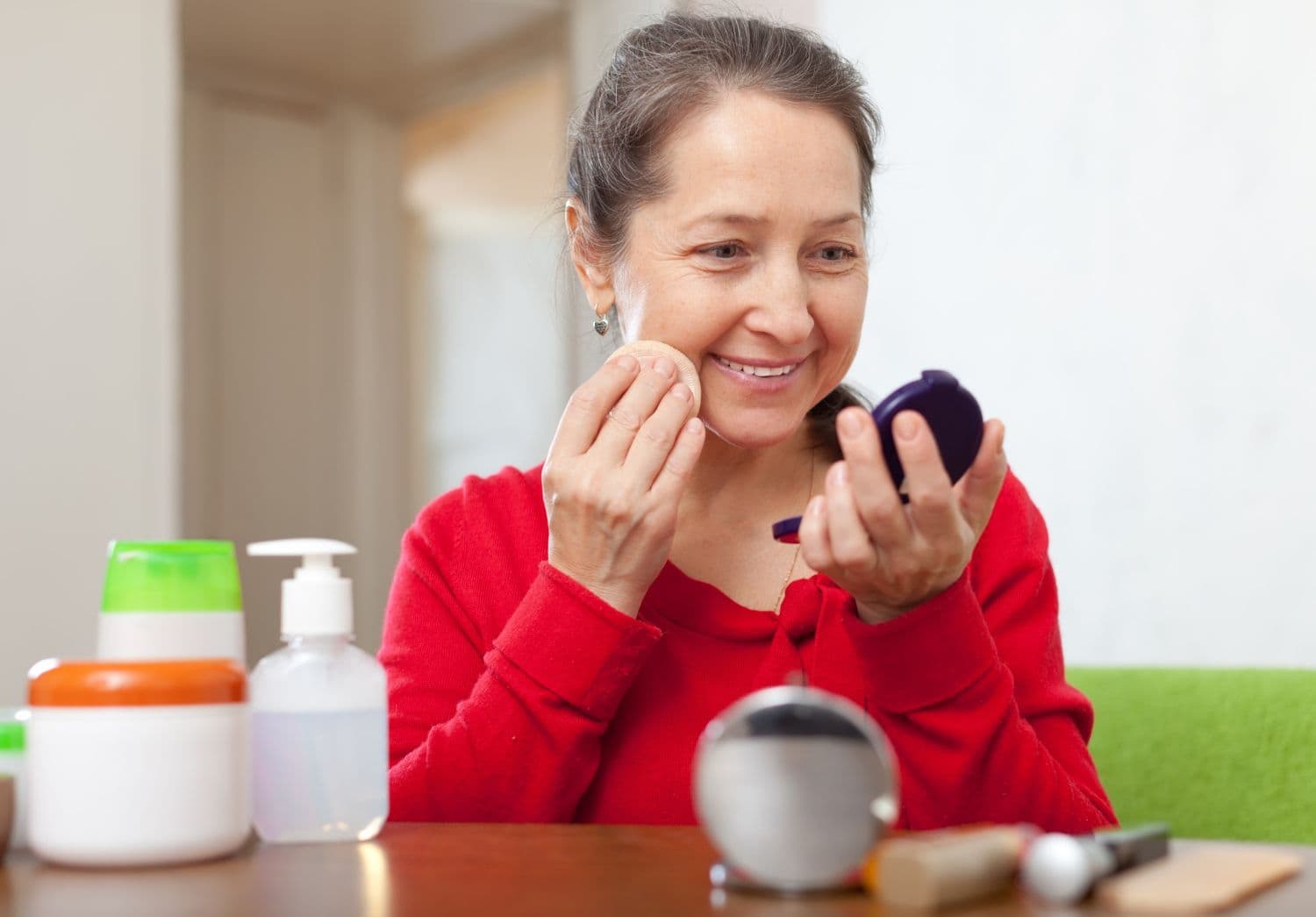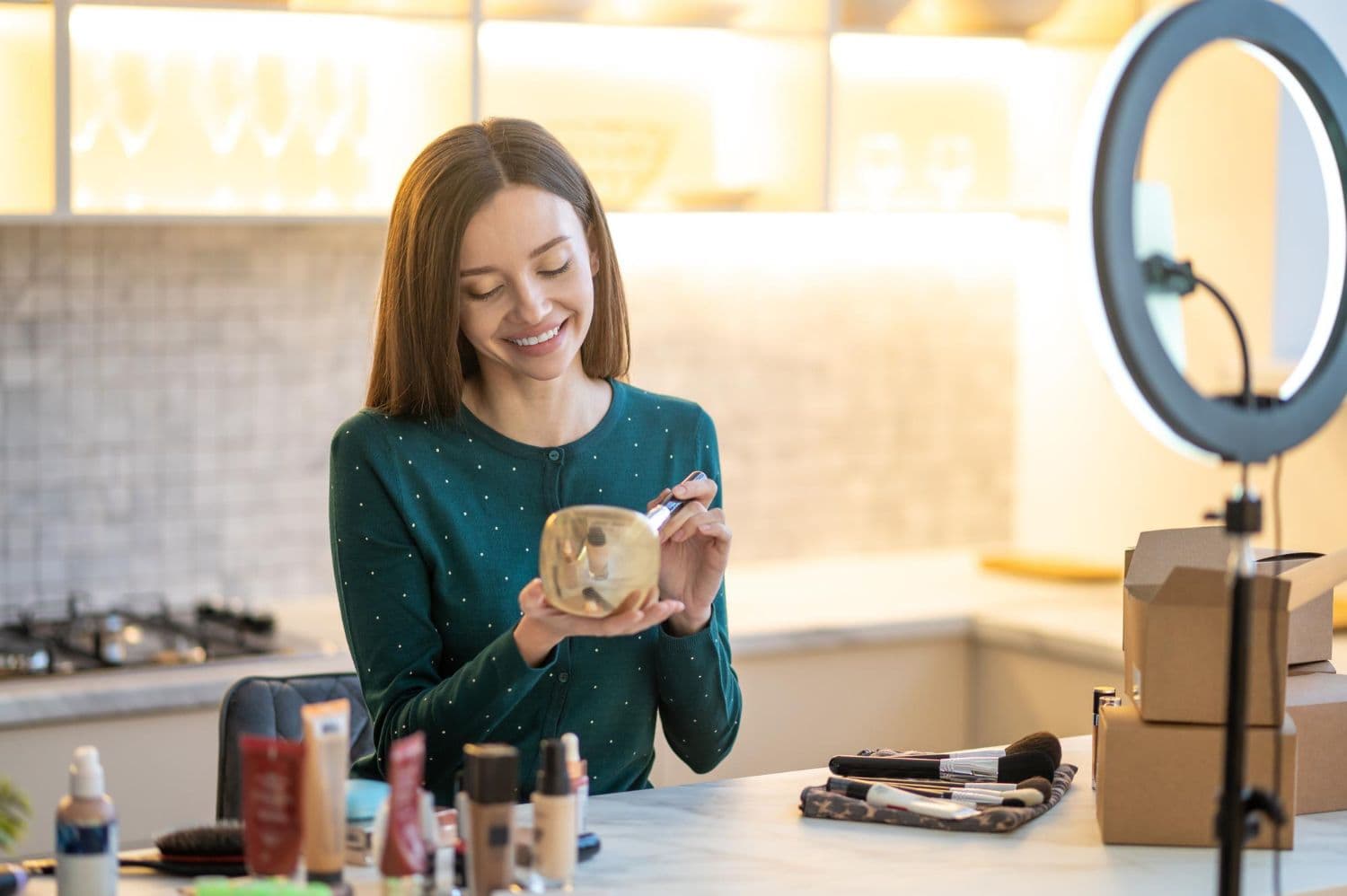
Sustainable Beauty on a Budget: Going Green for Less
Learn how to build an affordable, sustainable beauty routine without sacrificing quality, values, or results.
11/12/2025

SIMPLIFYING BEAUTY
Learn how to build an affordable, sustainable beauty routine without sacrificing quality, values, or results.
11/12/2025
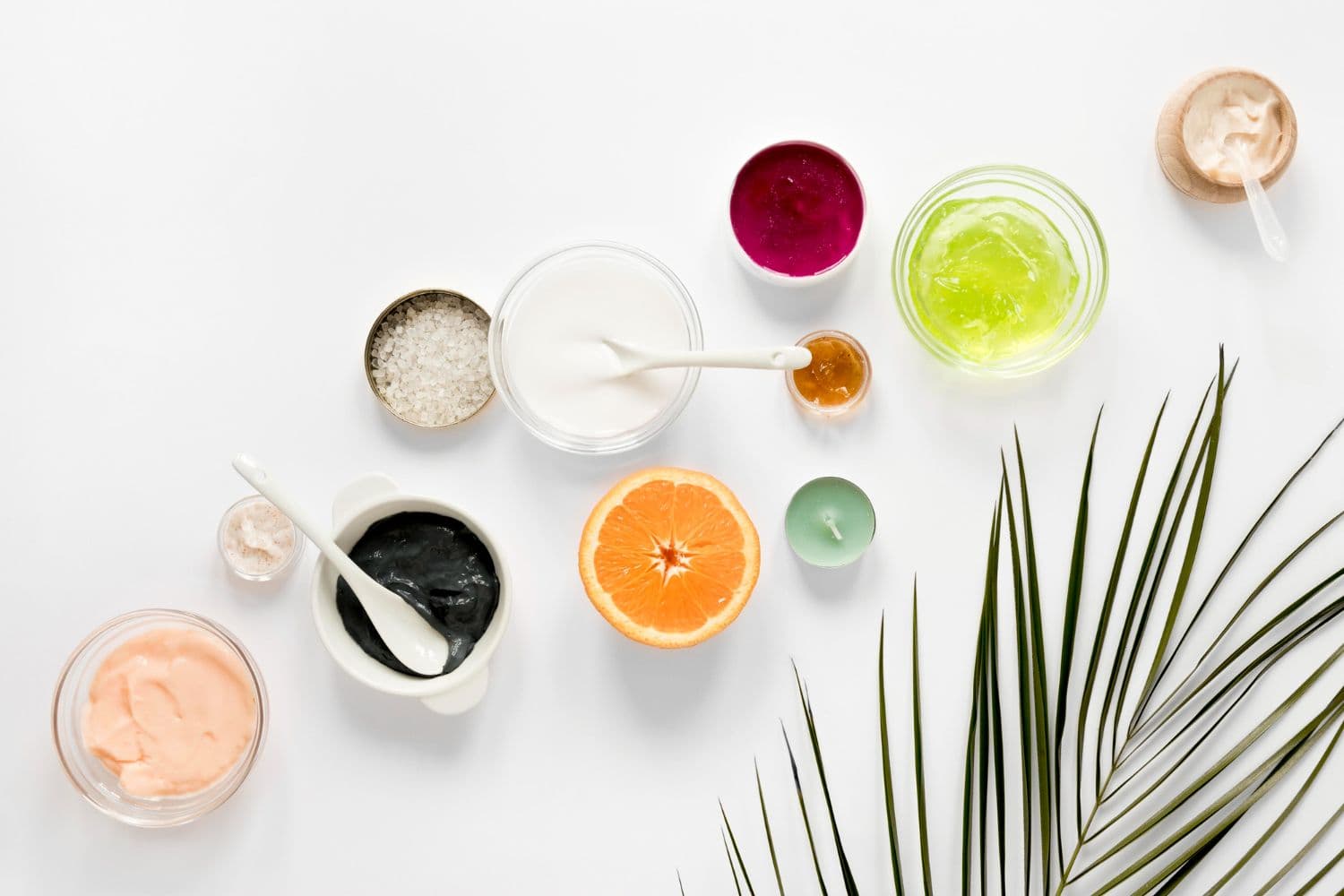
Let’s break down the ABCs of skincare ingredients to help you make informed choices.
7/16/2025
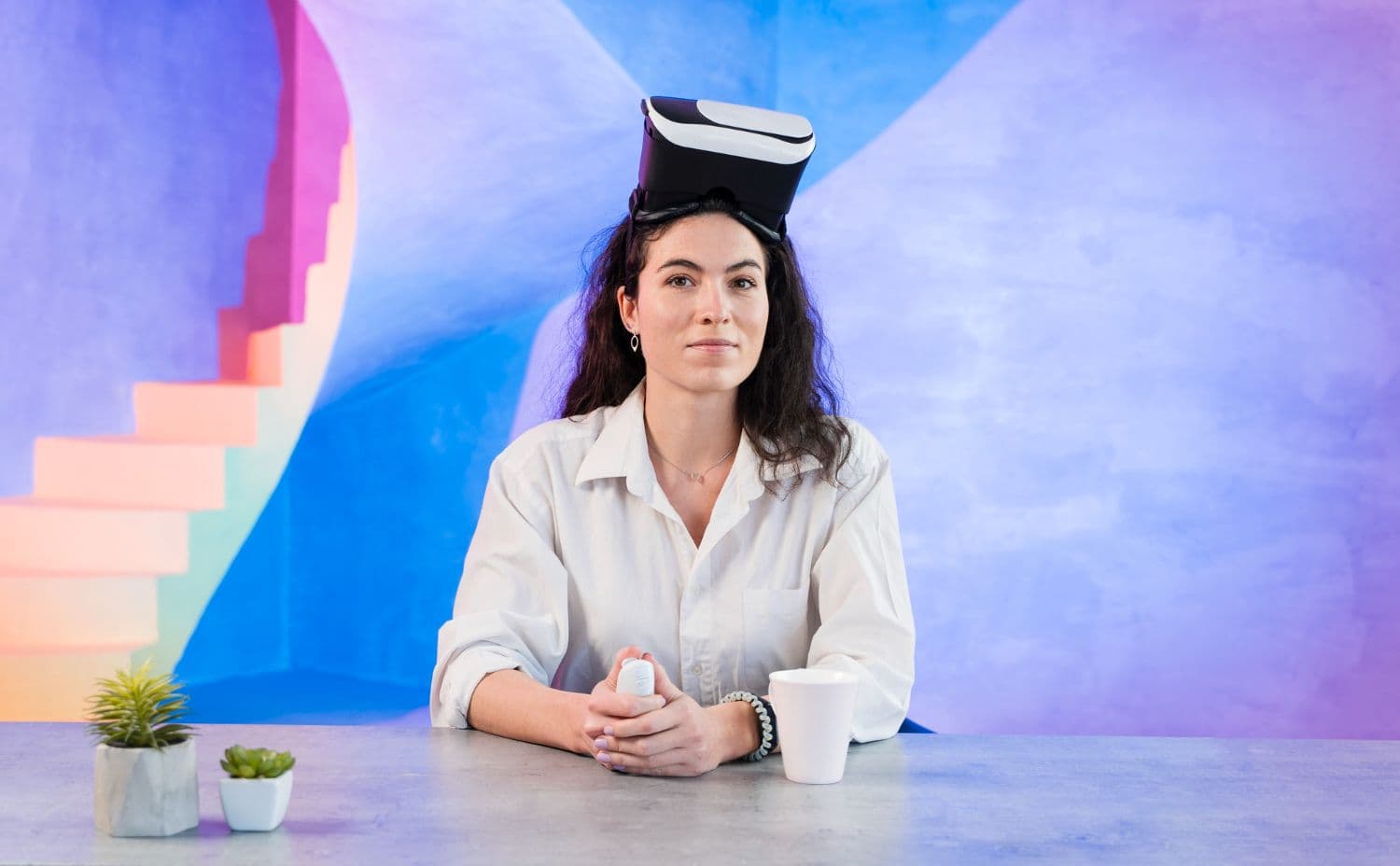
Discover metaverse beauty trends, from virtual makeovers to digital skincare consultations and immersive shopping.
7/2/2025
Let’s explore the TikTok beauty hacks that actually work and why they’ve captured the attention of beauty enthusiasts worldwide
6/23/2025
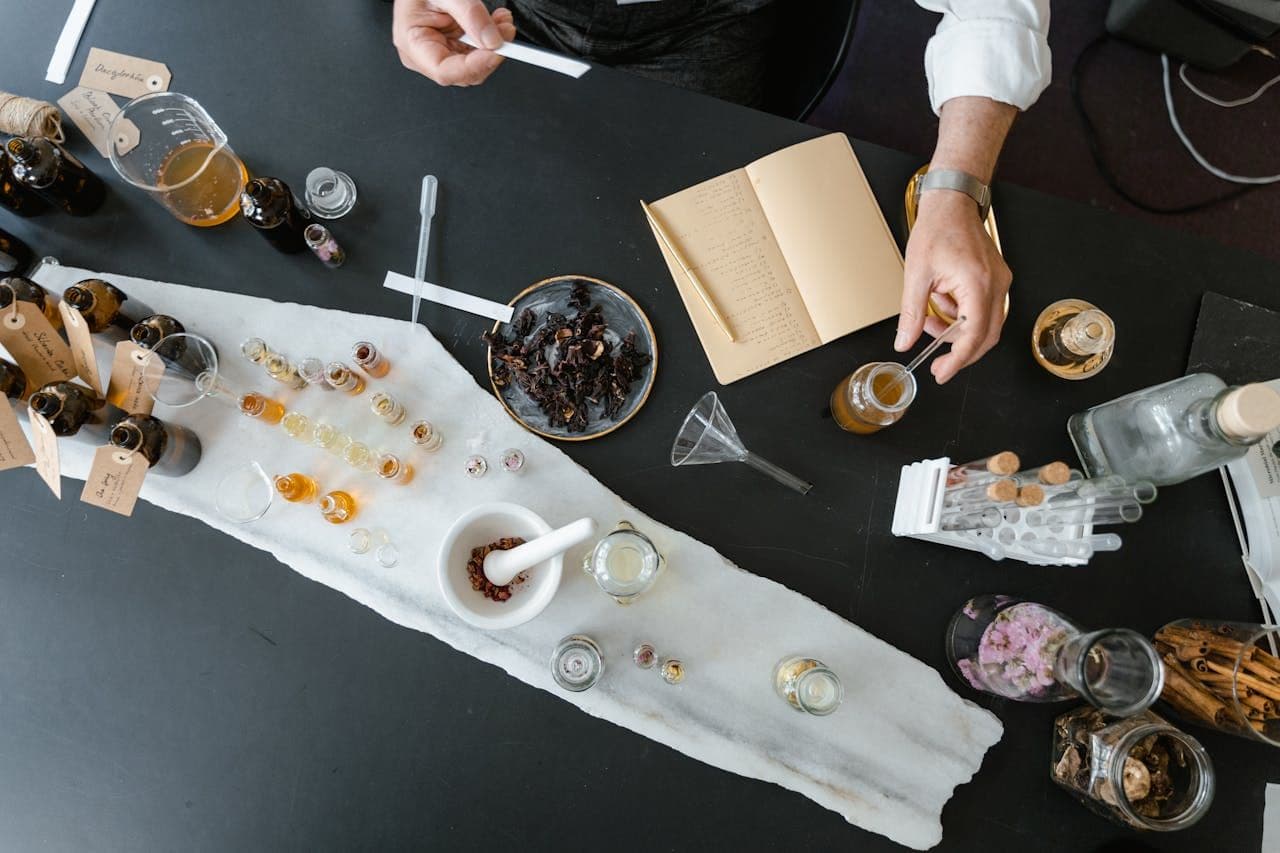
beneficial bacteria and bioactive ingredients into makeup formulations, revolutionizing how we think about beauty.
6/8/2025
This interplay between virtual and real-world beauty is transforming makeup trends, product innovations, and consumer behaviors.
5/10/2025
9/24/2025
Let’s explore how beauty trends have evolved and shaped the way we use makeup today.
Makeup has been a form of self-expression and beauty enhancement for thousands of years. From ancient civilizations to modern trends, the history of makeup is a fascinating journey through time, reflecting cultural, social, and technological changes. Let’s explore how beauty trends have evolved and shaped the way we use makeup today.
Trends:
Stay updated with the latest deals and never miss a chance to save—get instant alerts on exclusive offers tailored just for you.
Bold eyeliner made from kohl (a mix of soot and galena) to define the eyes.
Green eyeshadow from malachite and red ochre for lips and cheeks.
Purpose:
Symbolized status and spiritual protection. Eye makeup was believed to ward off evil spirits.
Both men and women adorned themselves with makeup.
Icon: Cleopatra, known for her dramatic kohl-lined eyes.
Trends:
Pale skin symbolized wealth and status.
Women used lead-based powders and chalk for whitening.
Red ochre and crushed berries were used for lips and cheeks.
Purpose:
To demonstrate purity, wealth, and femininity.
Eyebrows were often enhanced to create a unified, bold look.
Trends:
Rice powder for pale skin.
Rouge made from safflower petals for lips and cheeks.
In Japan, geishas painted their faces white and used black and red accents.
Purpose:
Pale skin represented nobility and refinement.
Makeup was deeply connected to cultural traditions and societal roles.
Trends:
Minimal makeup due to the Church’s influence, associating cosmetics with vanity and sin.
Pale skin remained desirable, achieved through lead-based concoctions.
Trends:
Rosy cheeks and lips became popular.
Women plucked their hairlines to achieve a high forehead, a sign of intelligence and beauty.
Purpose:
To align with ideals of beauty inspired by art and literature.
The wealthy used elaborate makeup to display their status.
Trends:
Heavy powdering of faces, wigs, and décolletage with lead-based or rice powders.
Beauty patches (small pieces of fabric or velvet) were placed on the face to signify social status.
Purpose:
To showcase wealth and refinement, especially among the aristocracy.
Trends:
Natural beauty was idealized; makeup was seen as improper or deceitful.
Subtle enhancements like pinching cheeks and biting lips for a rosy effect were common.
Purpose:
To align with the moral values of modesty and purity.
Trends:
Bold red lips, thin eyebrows, and smoky eyes became iconic.
Powder compacts were introduced for on-the-go touch-ups.
Influence:
Hollywood stars like Clara Bow inspired trends.
The rise of brands like Max Factor and Maybelline.
Trends:
Full, red lips, winged eyeliner, and flawless complexions.
Pastel eyeshadows became popular.
Influence:
Icons like Marilyn Monroe and Elizabeth Taylor set beauty standards.
Trends:
Neon eyeshadows, heavy blush, and glossy lips dominated.
Makeup was expressive and colorful.
Influence:
Pop culture and music stars like Madonna and Cyndi Lauper.
Trends:
Frosted eyeshadows, glossy lips, and thin eyebrows.
Minimalist “no-makeup makeup” look began to gain popularity.
Influence:
Celebrities like Britney Spears and Jennifer Lopez.
Trends:
Contouring and highlighting, popularized by Kim Kardashian.
Matte liquid lipsticks and bold brows became must-haves.
Influence:
YouTube beauty influencers like Jaclyn Hill and NikkieTutorials.
Trends:
Emphasis on skinimalism and natural beauty.
Multi-functional and clean beauty products.
Vibrant eyeshadows and creative graphic eyeliner.
Influence:
TikTok trends and a push for inclusivity in shade ranges and formulations.
The future of makeup is driven by technology, sustainability, and inclusivity:
AI and AR Tools: Virtual try-ons using apps and AI-powered personalized recommendations.
Sustainable Beauty: Zero-waste packaging and eco-friendly formulations.
Inclusivity: Expanding shade ranges and catering to diverse skin tones and types.
The evolution of makeup mirrors society’s changing values, artistic movements, and technological advancements. From ancient rituals to modern innovations, makeup has remained a powerful form of self-expression. As trends continue to evolve, one thing remains constant: makeup’s ability to empower and inspire confidence across cultures and generations.
Jamie Tan is one of the creative voices behind the blogs at da Salon, where every article is written with care, clarity, and a deep understanding of the salon industry. Jamie has a natural ability to turn practical salon topics into engaging stories that feel helpful, relatable, and easy to follow. Whether writing about salon growth, customer experience, beauty trends, or business management, Jamie brings a balanced mix of insight and warmth to every piece. The writing style feels smooth and reader-friendly, helping salon owners and beauty professionals learn something valuable without feeling overwhelmed. At da Salon, Jamie’s work adds personality, trust, and meaningful perspective to each blog, making every article not just informative but enjoyable to read and worth coming back to.