Sustainable Beauty on a Budget: Going Green for Less
Learn how to build an affordable, sustainable beauty routine without sacrificing quality, values, or results.
11/12/2025

SIMPLIFYING BEAUTY
Learn how to build an affordable, sustainable beauty routine without sacrificing quality, values, or results.
11/12/2025
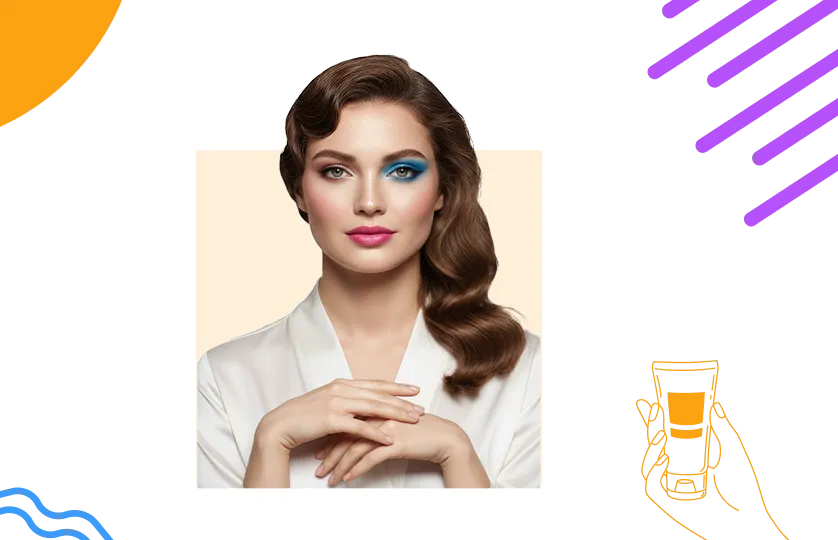
Let’s explore how beauty trends have evolved and shaped the way we use makeup today.
10/15/2025
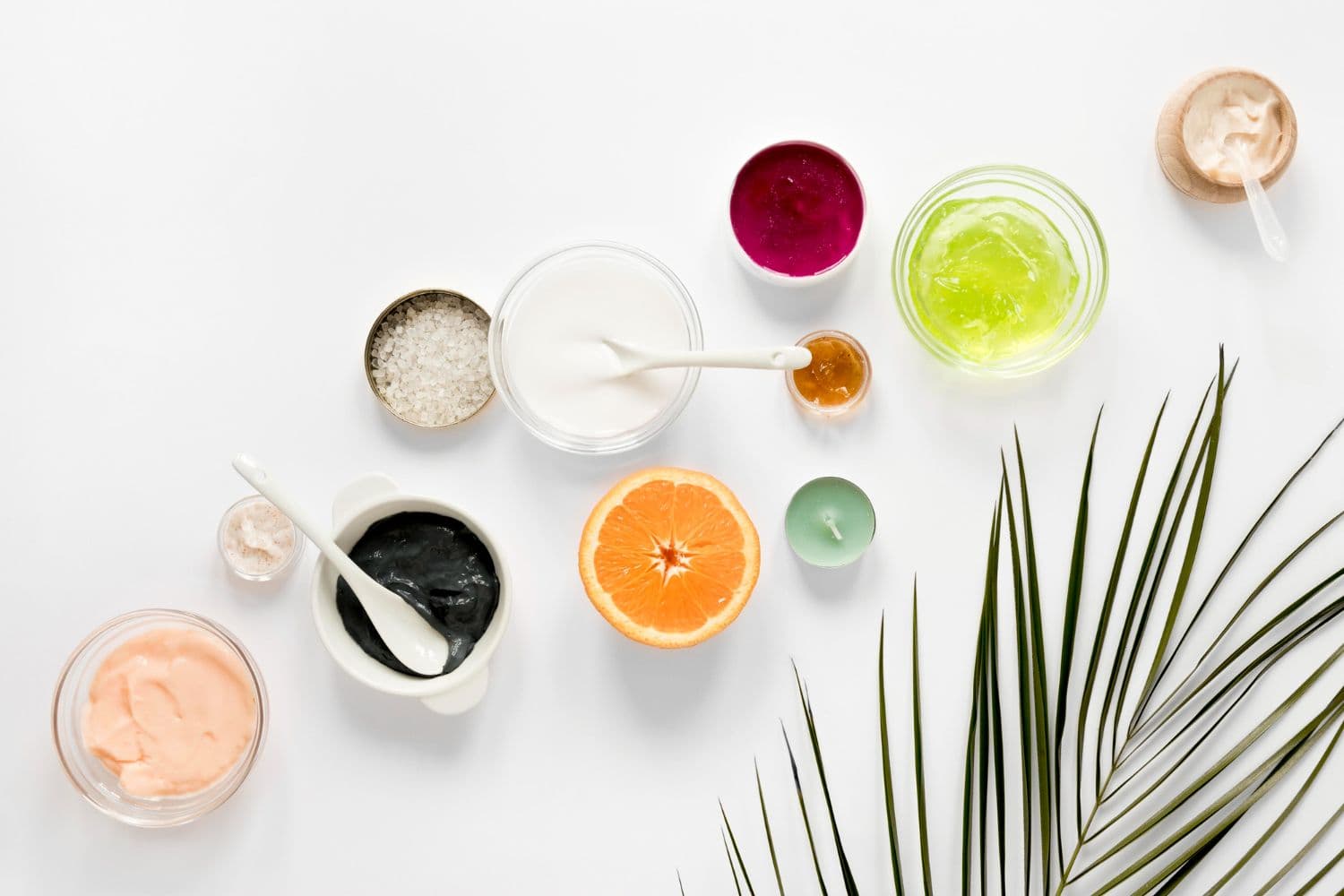
Let’s break down the ABCs of skincare ingredients to help you make informed choices.
7/16/2025
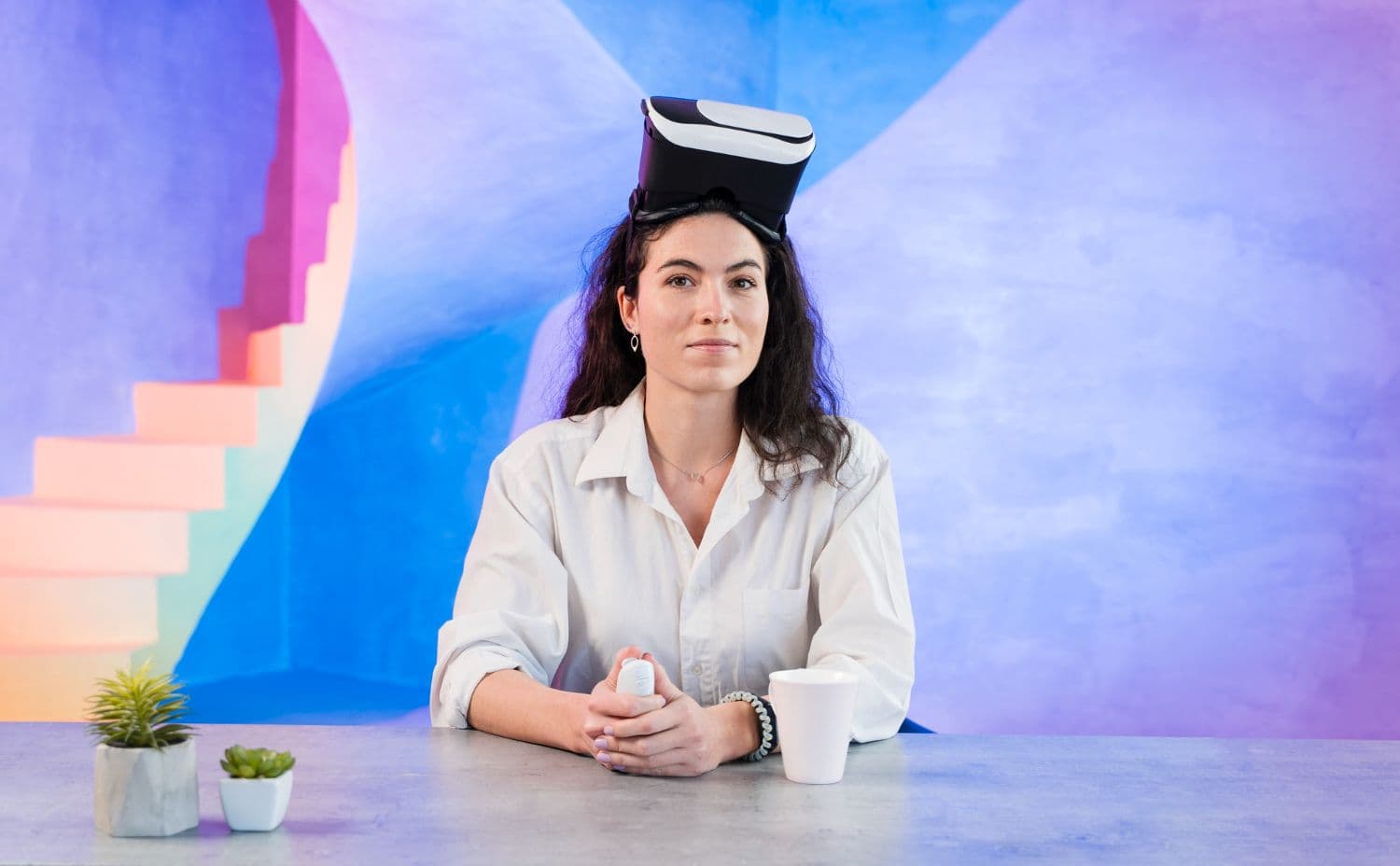
Discover metaverse beauty trends, from virtual makeovers to digital skincare consultations and immersive shopping.
7/2/2025
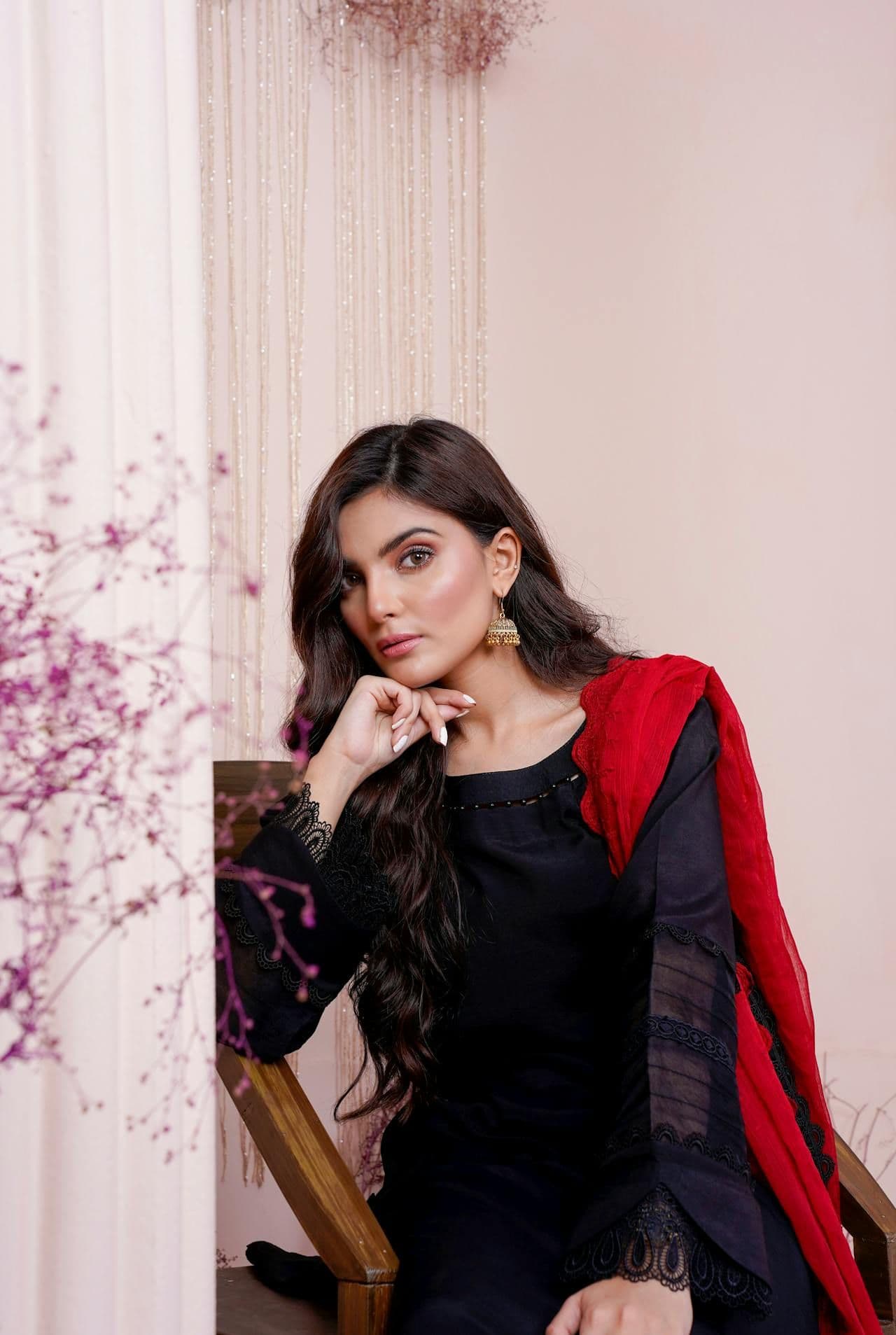
Let’s explore the TikTok beauty hacks that actually work and why they’ve captured the attention of beauty enthusiasts worldwide
6/23/2025
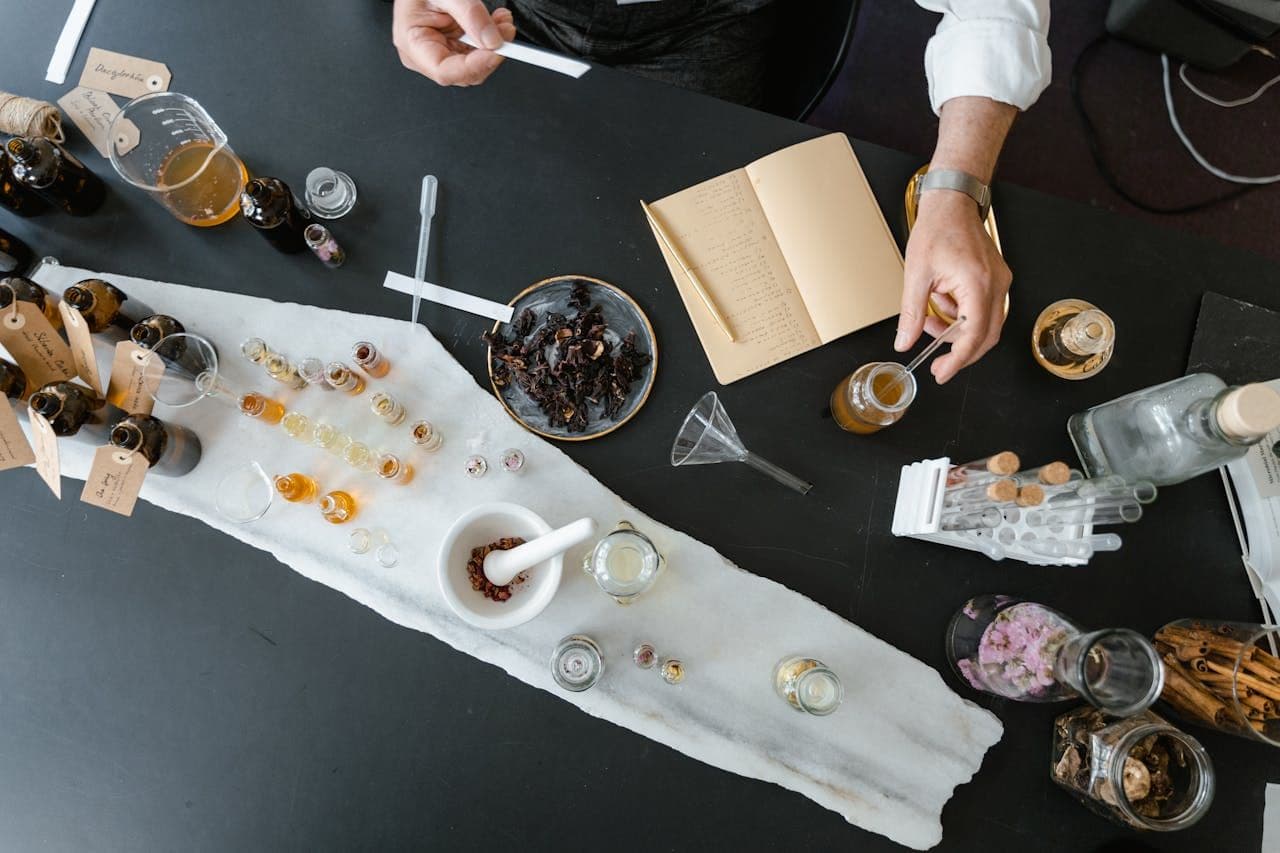
beneficial bacteria and bioactive ingredients into makeup formulations, revolutionizing how we think about beauty.
6/8/2025
9/19/2025
The first step in mastering color mixing is knowing the color wheel. Understanding how primary, secondary, and complementary colors work together allows you to create balanced and cohesive looks.
The art of color mixing in makeup is all about creativity and expression, and 2024 is all about embracing this trend. It’s not just about matching shades but about experimenting, layering, and blending different hues to create unique, personalized looks. Whether you’re playing with bold eyeshadows or creating a custom lip color, understanding how to mix and layer colors is key to mastering this skill.
The first step in mastering color mixing is knowing the color wheel. Understanding how primary, secondary, and complementary colors work together allows you to create balanced and cohesive looks. For example, pairing complementary colors like blue and orange or purple and yellow can create vibrant contrasts that make your eyes pop. On the other hand, mixing shades within the same color family, like different tones of pinks and reds, gives a more monochromatic, harmonious effect.
Stay updated with the latest deals and never miss a chance to save—get instant alerts on exclusive offers tailored just for you.
One technique that’s gaining popularity is layering different shades to add depth and dimension. Start with a lighter shade as a base and gradually add darker hues into the crease for a gradient effect that enhances the shape of your eyes. This can be done with eyeshadow, blush, or even lip colors. For instance, try blending soft pinks and corals on the eyes for a sunset look or using deeper shades like burgundy for a smoky effect that stands out.
Combining textures is also essential. Using both matte and shimmer shadows adds a multi-dimensional finish, making your makeup look more dynamic. For eyes, applying a matte color in the crease and a shimmer on the lid can give you that professional, eye-catching finish without a lot of effort.
Lip color mixing is another way to get creative. Don’t be afraid to blend different shades to find your perfect match. You can mix a bold red with a nude to create a muted rose or blend two contrasting colors like berry and peach for a unique ombré effect. This allows you to play around with shades that complement your skin tone and match your mood or outfit, offering endless possibilities for customization.
Once you’ve got the basics down, experiment with accents like glitter or metallic pigments. Adding a touch of glitter to your eyelids or using metallic liners can transform your look from day to night, adding a pop of sparkle that catches the light. Mixing small amounts of different pigments can also create custom highlighters or blushes, giving you a signature glow.
The key to mastering color mixing in makeup is experimentation. It’s about finding combinations that work for you, trying new techniques, and not being afraid to make mistakes. Start with a basic palette and build up your collection of colors and finishes as you grow more confident. The beauty of makeup is its flexibility—it’s an art form that allows you to express yourself uniquely every day.
This year, the trend encourages you to step out of your comfort zone and let your imagination run wild with colors and textures. Whether you want a subtle gradient or a bold statement look, the art of color mixing in makeup lets you unleash your creative spirit and make each look your own.
Jamie Tan is one of the creative voices behind the blogs at da Salon, where every article is written with care, clarity, and a deep understanding of the salon industry. Jamie has a natural ability to turn practical salon topics into engaging stories that feel helpful, relatable, and easy to follow. Whether writing about salon growth, customer experience, beauty trends, or business management, Jamie brings a balanced mix of insight and warmth to every piece. The writing style feels smooth and reader-friendly, helping salon owners and beauty professionals learn something valuable without feeling overwhelmed. At da Salon, Jamie’s work adds personality, trust, and meaningful perspective to each blog, making every article not just informative but enjoyable to read and worth coming back to.