
Sustainable Beauty on a Budget: Going Green for Less
Learn how to build an affordable, sustainable beauty routine without sacrificing quality, values, or results.
11/12/2025

SIMPLIFYING BEAUTY
Learn how to build an affordable, sustainable beauty routine without sacrificing quality, values, or results.
11/12/2025

Let’s explore what pH means, how it affects your skin, and how to choose pH-balanced skincare products.
10/23/2025

Let’s dive into how hormones influence your skin and what you can do to achieve balance.
10/3/2025

Here’s a deep dive into the connection between sleep and skin health, and how you can maximize the benefits of a good night’s rest.
9/24/2025
While it’s not harmful, it can affect self-confidence. Understanding the science behind hyperpigmentation, its causes, treatments, and prevention strategies is key to achieving an even, radiant complexion.
9/19/2025

Let’s explore how to adjust your skincare routine through the decades.
9/12/2025
9/19/2025
This guide clarifies the science of sunscreen, dispels common myths, and explains how to choose and use sunscreen effectively to protect your skin.
Sunscreen is a cornerstone of skincare, yet myths and misunderstandings about its use persist. With terms like SPF, broad-spectrum, and PA+ thrown around, it’s easy to feel overwhelmed. This guide clarifies the science of sunscreen, dispels common myths, and explains how to choose and use sunscreen effectively to protect your skin.
SPF (Sun Protection Factor) measures a sunscreen’s ability to protect the skin from UVB rays, which cause sunburn. For instance, SPF 30 blocks approximately 97% of UVB rays, while SPF 50 blocks about 98%. No sunscreen provides 100% protection, making reapplication crucial.
Stay updated with the latest deals and never miss a chance to save—get instant alerts on exclusive offers tailored just for you.
Broad-spectrum sunscreens shield against both UVB and UVA rays. While UVB rays damage the skin’s outer layer, UVA rays penetrate deeper, causing premature aging and increasing the risk of skin cancer.
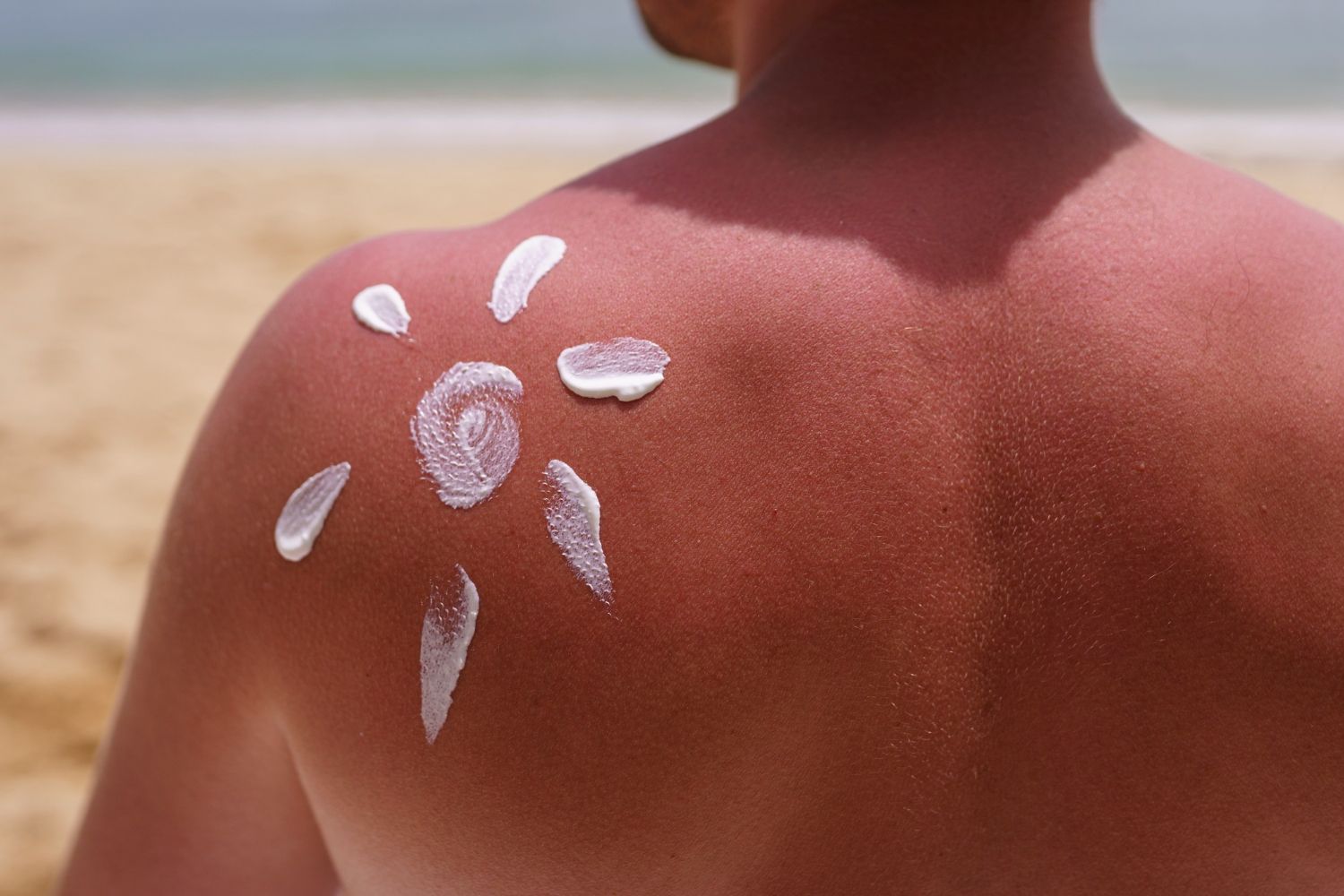
To achieve the full SPF protection, apply a generous amount of sunscreen. Dermatologists recommend the two-finger rule:
No matter how high the SPF, sunscreen breaks down over time, especially with exposure to water, sweat, and sunlight. Reapply every two hours and immediately after swimming or toweling off.
 Some sunscreens include antioxidants like Vitamin C and E to enhance protection against free radical damage caused by UV exposure. Antioxidants work synergistically with SPF to boost skin defense.
Concerns about coral reefs have led to the rise of reef-safe sunscreens that exclude harmful chemicals like oxybenzone and octinoxate. These formulations protect your skin while minimizing harm to marine ecosystems.
Prevents Premature Aging
Up to 90% of visible skin aging is caused by sun exposure. Sunscreen protects against wrinkles, fine lines, and dark spots.
Reduces Skin Cancer Risk
Consistent sunscreen use reduces the risk of developing melanoma and other skin cancers.
Maintains Even Skin Tone
Sun exposure can worsen hyperpigmentation and discoloration. Sunscreen prevents these issues, promoting a balanced complexion.
Sunscreen is your best defense against sun damage, premature aging, and skin cancer. By understanding SPF, choosing the right product, and using it correctly, you can protect your skin and maintain a healthy, radiant complexion. Make sunscreen a non-negotiable part of your daily routine—your future self will thank you.
Hannah Cheng is a thoughtful storyteller at da Salon who turns everyday salon topics into engaging, easy-to-read content that feels both useful and inspiring. With a strong eye for detail and a natural understanding of what salon owners, beauty professionals, and modern customers want to know, she creates blogs that do more than just inform. Her writing helps readers see the real side of salon growth, client experience, beauty trends, and smart business decisions. At da Salon, Hannah’s words bring warmth, clarity, and value to every article, making complex ideas feel simple and relatable. Each piece she writes is designed to educate, connect, and help readers move one step closer to building a better salon experience.