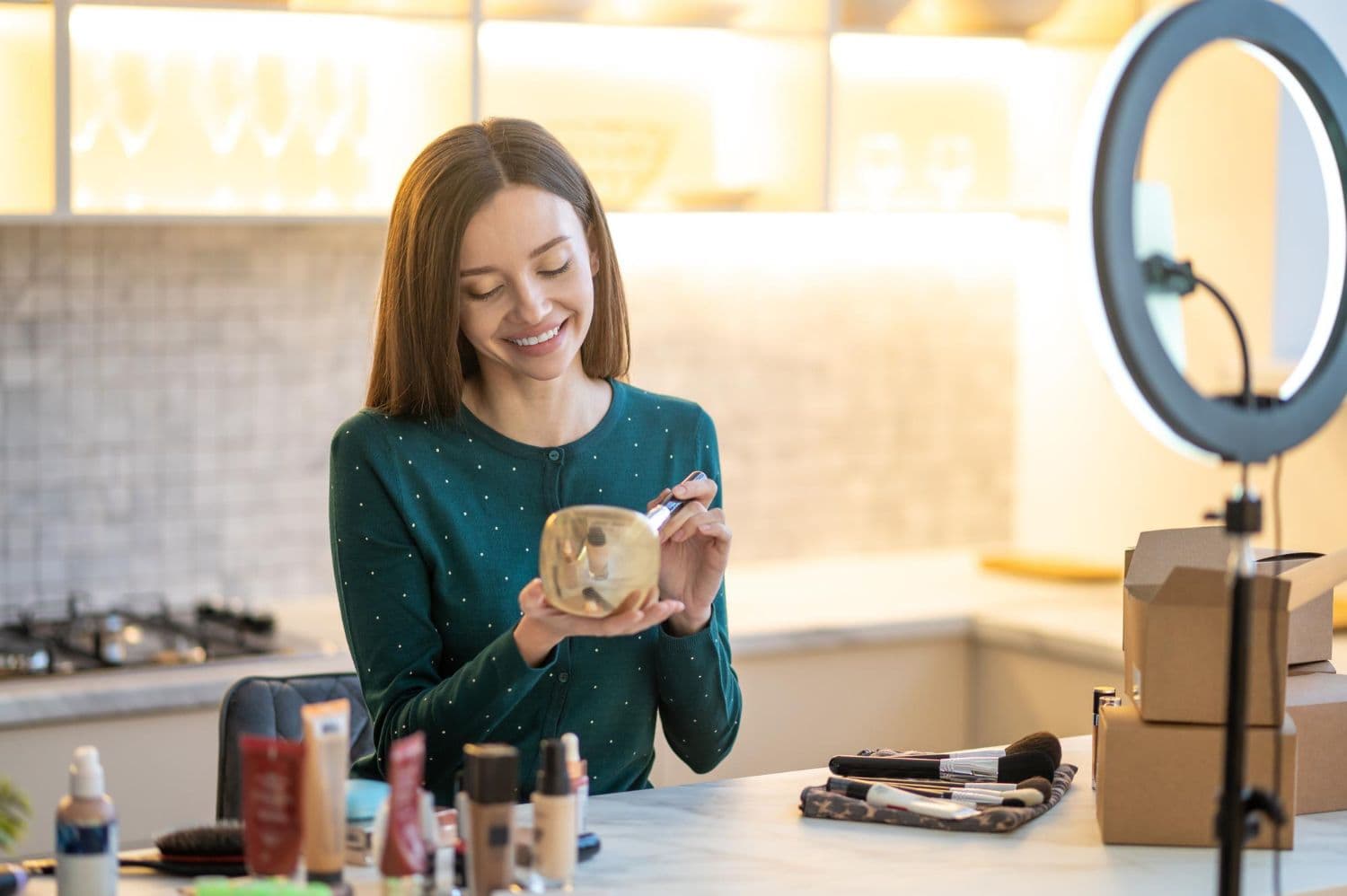
Sustainable Beauty on a Budget: Going Green for Less
Learn how to build an affordable, sustainable beauty routine without sacrificing quality, values, or results.
11/12/2025

SIMPLIFYING BEAUTY
Learn how to build an affordable, sustainable beauty routine without sacrificing quality, values, or results.
11/12/2025
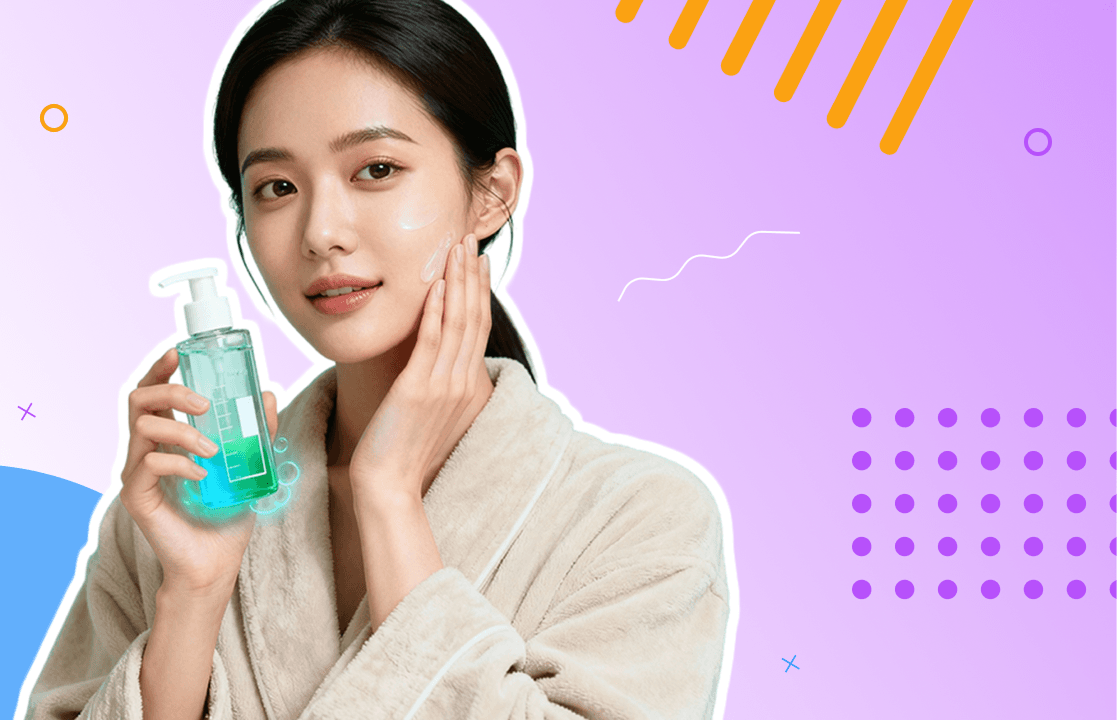
Let’s explore what pH means, how it affects your skin, and how to choose pH-balanced skincare products.
10/23/2025

Let’s dive into how hormones influence your skin and what you can do to achieve balance.
10/3/2025

Here’s a deep dive into the connection between sleep and skin health, and how you can maximize the benefits of a good night’s rest.
9/24/2025
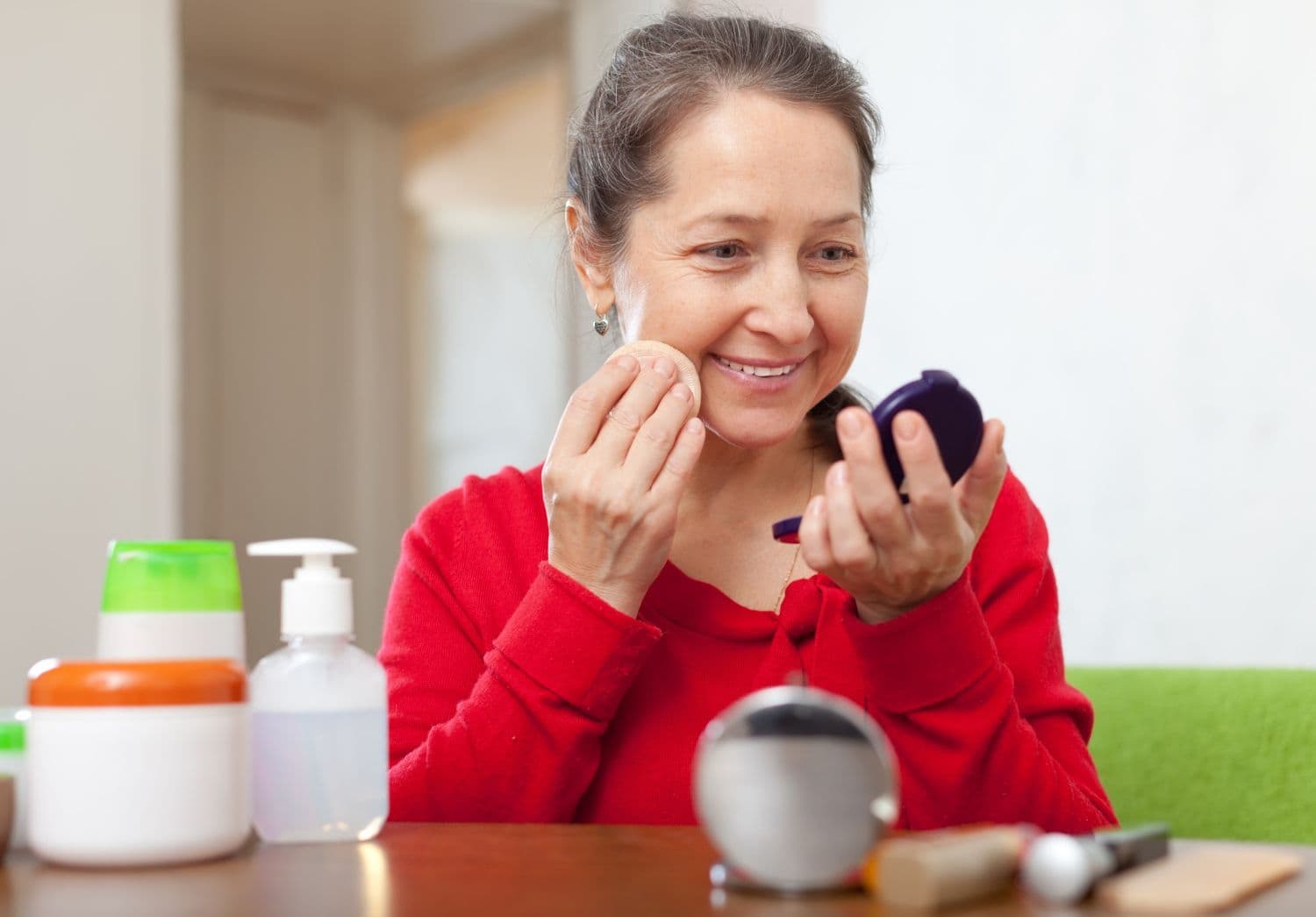
While it’s not harmful, it can affect self-confidence. Understanding the science behind hyperpigmentation, its causes, treatments, and prevention strategies is key to achieving an even, radiant complexion.
9/19/2025

Let’s explore how to adjust your skincare routine through the decades.
9/12/2025
9/19/2025
Understanding the skin barrier and how to care for it is essential for healthy, radiant skin.
Your skin’s natural barrier is its first line of defense, playing a crucial role in maintaining hydration, preventing irritation, and protecting against environmental stressors. Despite its importance, this barrier is often compromised by harsh products, pollution, and even stress. Understanding the skin barrier and how to care for it is essential for healthy, radiant skin.
The skin’s natural barrier, also known as the lipid barrier or moisture barrier, is part of the outermost layer of skin called the stratum corneum. It consists of skin cells (corneocytes) held together by lipids (fats), including ceramides, cholesterol, and fatty acids.
Stay updated with the latest deals and never miss a chance to save—get instant alerts on exclusive offers tailored just for you.
A weakened skin barrier manifests through various symptoms, including:
Over-Exfoliation
Excessive use of scrubs, AHAs, or BHAs can strip the skin of its natural oils.
Harsh Cleansers
Cleansers with high pH levels or sulfates can disrupt the skin’s acid mantle.
Environmental Stressors
UV rays, pollution, and extreme weather conditions weaken the skin barrier over time.
Improper Moisturization
Neglecting hydration leads to water loss, making the barrier more vulnerable.
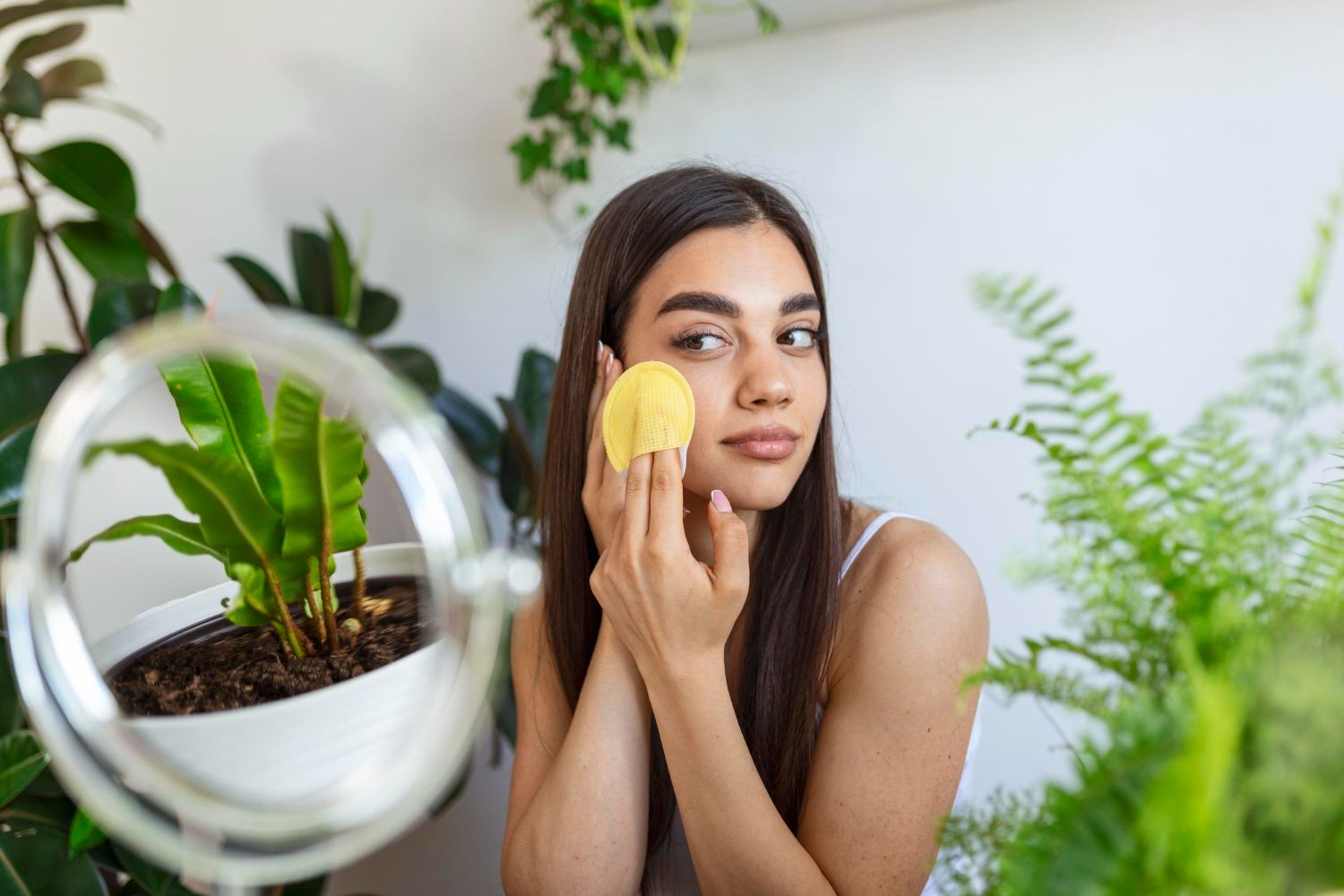
Switch to sulfate-free, pH-balanced cleansers to avoid stripping the skin.
Look for products containing ceramides, fatty acids, and cholesterol to replenish lost lipids.
Limit exfoliation to 1-2 times per week, and opt for gentle chemical exfoliants like lactic acid.
UV rays are a major barrier disruptor. Use broad-spectrum sunscreen daily.
Probiotic or microbiome-friendly products help maintain bacterial balance, which supports the barrier.
Rebuild and fortify the lipid barrier.
Niacinamide
Reduces inflammation and boosts barrier repair.
Panthenol (Vitamin B5)
Hydrates and soothes irritated skin.
Hyaluronic Acid
Retains water to keep skin hydrated.
Stay Hydrated
Drinking enough water supports your skin’s moisture levels.
Eat a Balanced Diet
Foods rich in omega-3 fatty acids (e.g., salmon, walnuts) and antioxidants (e.g., berries, spinach) promote barrier health.
Get Adequate Sleep
Skin repairs itself during sleep, so aim for 7-8 hours nightly.
Manage Stress
Chronic stress increases cortisol levels, weakening the barrier. Incorporate stress-reducing practices like meditation or yoga.
The skin’s natural barrier is vital for maintaining a healthy, radiant complexion. By understanding its role and adopting barrier-friendly practices, you can protect your skin from damage, reduce sensitivity, and enhance hydration. Prioritize gentle products, sunscreen, and consistent moisturization to support your barrier and enjoy long-lasting skin health.
M.A
Monica Lalwani brings a fresh, thoughtful voice to the blogs at da Salon, where she transforms simple salon topics into meaningful, engaging stories that readers genuinely enjoy. Her writing has a natural flow that makes beauty, business growth, salon management, and customer experience feel easy to understand and pleasant to explore. Monica has a special way of adding warmth to every article, making each piece feel less like plain information and more like a helpful conversation with someone who truly understands the salon world. At da Salon, she creates content that not only informs readers but also builds trust, sparks ideas, and helps salon owners think differently about growth, branding, and client satisfaction. Her work adds personality, clarity, and value to every blog, making each article both memorable and useful.